
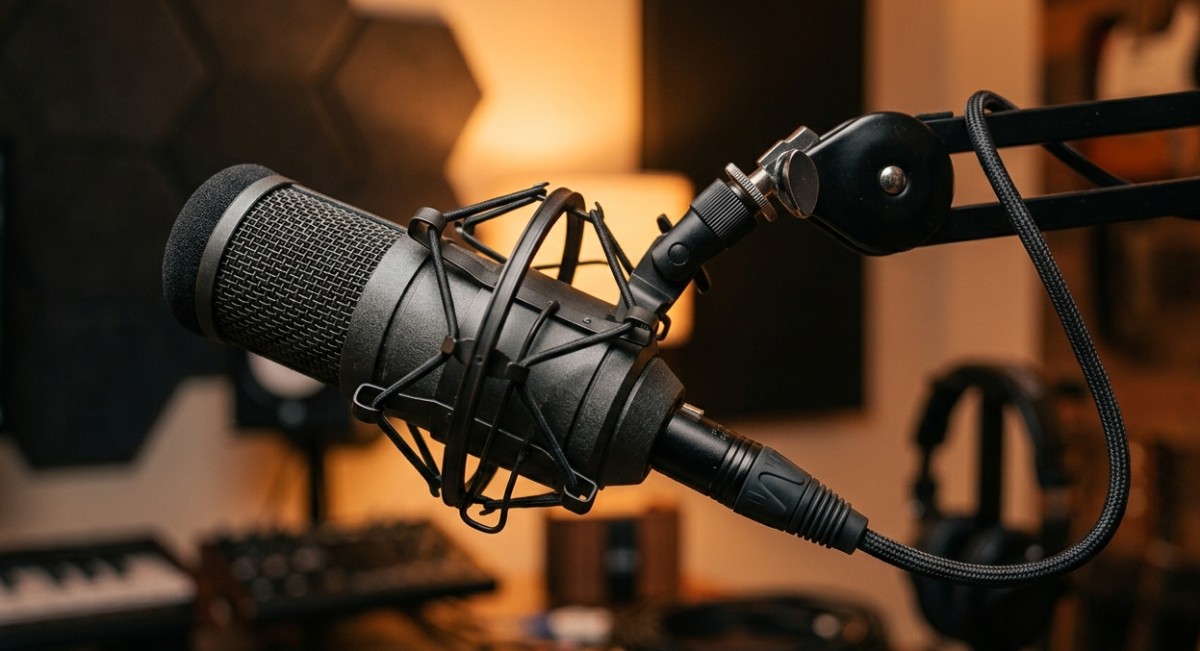
There’s nothing that kills confidence faster than tapping a microphone and hearing silence, right before you’re meant to go live. Whether it’s a wedding speech, a weekend gig, or a Sunday service, a dead mic at the wrong moment is every performer’s nightmare, and it happens more often than people expect.
The good news is that a non-working microphone almost always comes down to a specific, identifiable fault rather than a mystery. Before assuming the worst, it helps to understand what’s actually causing the problem. And if you’ve worked through the basics and it’s still not cooperating, professional microphone repair Sunshine Coast musicians and performers trust can properly diagnose and fix it. This guide walks through why a microphone not working usually happens, what you can check yourself, and when it’s time to bring in a specialist.
Common Reasons a Microphone Stops Working
1. Cable and Connector Faults
This is, by far, the most common cause of microphone failure. XLR cables take a beating from constant coiling, uncoiling, and being stepped on at gigs, and internal wire breaks aren’t always visible from the outside.
2. Incorrect Input or Channel Settings
Sometimes the microphone itself is perfectly fine, but the input channel on the mixer is muted, the gain is turned all the way down, or the wrong input has been selected. This is an easy thing to overlook in the rush of setting up before a show.
3. Missing Phantom Power
Condenser microphones require what’s known as phantom power to operate, a small voltage sent from the mixer or audio interface to power the microphone’s internal circuitry. Without it switched on, a condenser mic will produce little to no sound, even though everything looks correctly connected.
4. Internal Component Wear
Inside every microphone sits delicate internal wiring, diaphragms, and connection points that can wear down or fail over time, particularly with heavy regular use. Dynamic microphones are generally more rugged, but even they aren’t immune to internal faults after years of gigging.
5. Moisture and Humidity Damage
Condenser microphones in particular are sensitive to humidity, which can affect the internal diaphragm and cause inconsistent or distorted sound. In coastal areas like the Sunshine Coast, this is a more common issue than many musicians realise.
Quick Checks Before You Panic
Before assuming your microphone has failed completely, a few basic checks can quickly narrow things down:
- Swap the XLR cable for a known-good one to rule out a cable fault
- Check the mixer channel to confirm it isn’t muted and the gain is turned up
- Confirm phantom power is switched on if you’re using a condenser microphone
- Test the microphone on a different channel or mixer, if one is available
- Gently wiggle the cable at both ends while listening for intermittent dropouts, a classic sign of an internal cable break
If these steps don’t resolve the issue, the fault is likely sitting inside the microphone or its connector, and it’s time to call in a professional.
Why Microphone Not Working Issues Need Proper Diagnosis
A microphone not working can stem from several different points in the signal chain, which is exactly why troubleshooting from the microphone through to the mixer and speakers matters. According to detailed troubleshooting guidance from Peavey’s microphone troubleshooting guide, issues can originate at the microphone itself, the cable, the input channel, or even further down the signal path at the speakers, making a systematic check essential rather than guessing at a single cause.
This is where experienced microphone repair Sunshine Coast technicians genuinely add value, working through the entire signal chain methodically rather than replacing parts on a hunch.
Why DIY Microphone Repairs Can Be Risky
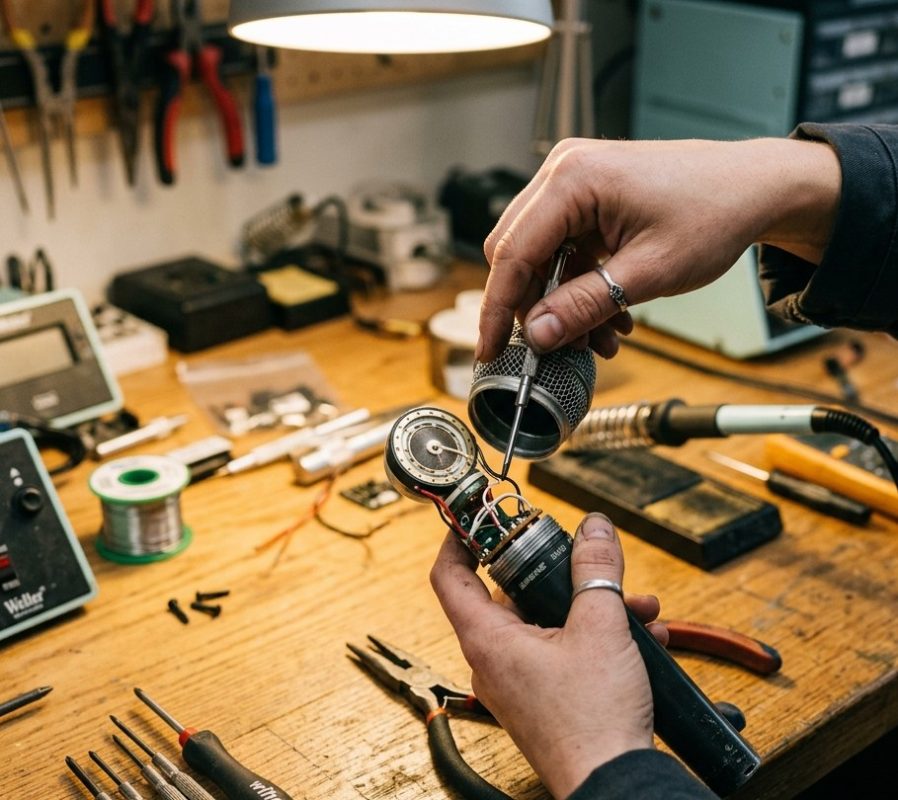
Opening up a microphone to inspect internal wiring isn’t like swapping a cable. Microphones contain delicate, precisely positioned components, particularly condenser models with sensitive diaphragms that can be permanently damaged by incorrect handling or static discharge.
Attempting internal repairs without the right tools and experience often turns a simple, fixable fault into irreparable damage. This is exactly why professional microphone repair Sunshine Coast performers rely on exists, to handle these delicate repairs properly rather than risking further damage.
When to Book a Professional Repair
Some signs clearly point toward needing expert attention:
- The issue persists even after swapping cables and checking mixer settings
- Sound cuts in and out intermittently, suggesting an internal connection fault
- Audio sounds distorted, muffled, or inconsistent compared to when the mic was new
- You rely on the microphone professionally and can’t risk ongoing reliability issues
- The microphone has been exposed to moisture, humidity, or has been dropped
How Brocky’s Electronics Can Help
At Brocky’s Electronics, we’ve been repairing audio equipment for Sunshine Coast musicians and performers since 2006, and that includes microphones of all types, from stage dynamics to studio condensers. Our technicians work at a component level, meaning we properly diagnose and repair internal faults rather than simply recommending a replacement.
What working with our team looks like:
- Honest, transparent diagnostics before any work begins
- Experience across dynamic, condenser, and wireless microphone systems
- A 12-month warranty on all completed repairs
- Fast turnaround, because we know you can’t afford to be without your gear
For a full breakdown of our audio servicing capabilities, visit our dedicated Audio Equipment Repair Sunshine Coast page. If your issue extends beyond the microphone itself into your mixing setup, our detailed guide on common mixer issues and how to fix them is worth reading alongside this one.
If your broader setup includes other instruments or gear, our Music Equipment Repair service covers a wide range of equipment for musicians across the Sunshine Coast.
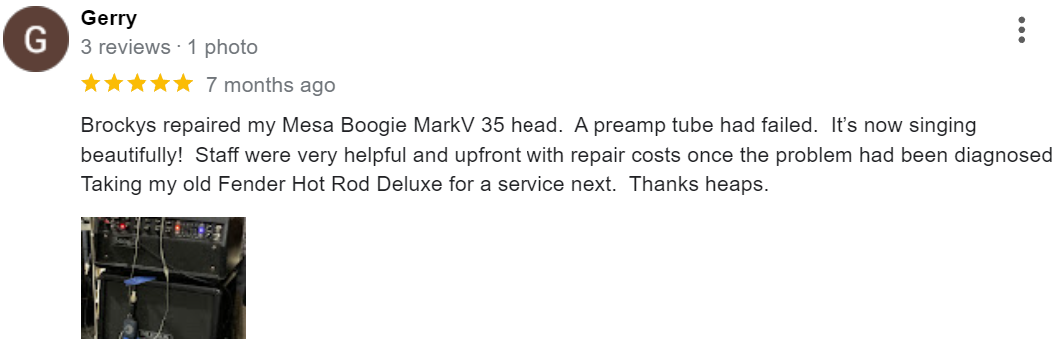
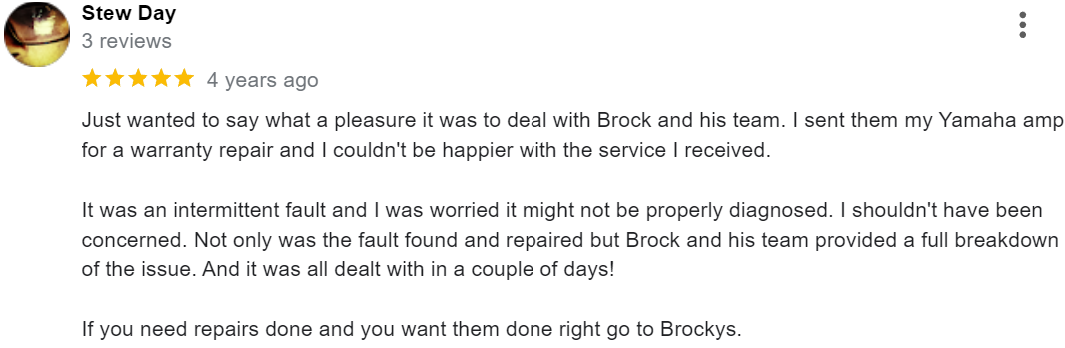
You can see what local performers and musicians have said about working with us on our Google Business Profile.
FAQs
1. Why does my condenser microphone produce no sound at all?
This is most often caused by phantom power not being switched on, which condenser microphones need to operate correctly.
2. Can a faulty cable really cause complete microphone silence?
Yes, a broken internal wire inside an XLR cable is one of the most common causes of a microphone appearing to have failed completely.
3. Is it safe to open a microphone and check it myself?
It’s not recommended, particularly for condenser microphones, as the internal diaphragm and components are delicate and easily damaged without proper handling.
4. How does humidity affect microphones on the Sunshine Coast?
Coastal humidity can affect a condenser microphone’s internal diaphragm, leading to inconsistent sound or reduced sensitivity over time.
5. Should I try a different mixer channel before booking a repair?
Yes, testing on a different channel or mixer is a quick way to rule out a mixer-side issue rather than an actual microphone fault.
Final Thoughts
A microphone going silent mid-performance is stressful, but it’s rarely unsolvable once you understand the common causes. From cable faults to missing phantom power, most issues have a clear, identifiable explanation. If you’ve worked through the basic checks and the problem persists, professional microphone repair Sunshine Coast technicians can properly diagnose and resolve it, so you’re not caught out again at your next gig.
Don’t let a faulty mic cut your next performance short. Contact us today to book a diagnosis and get your sound back where it belongs.