
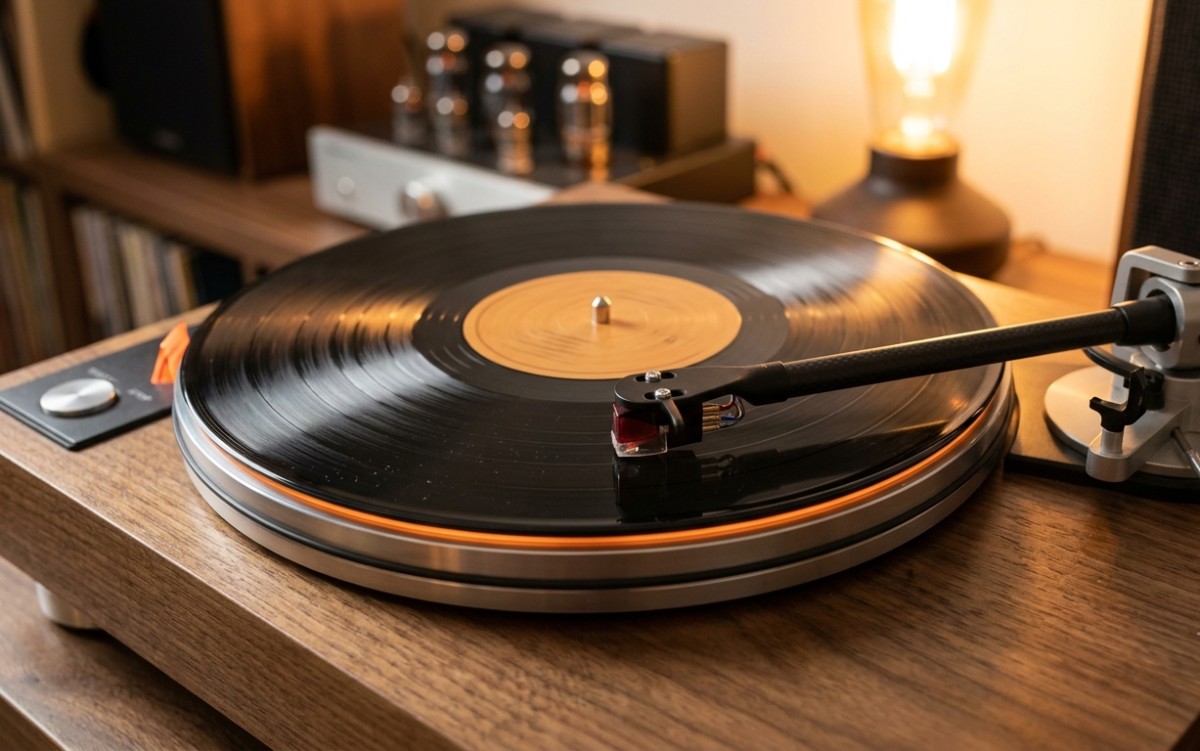
There’s nothing quite like dropping the needle on a favourite record, only for it to jump, skip, or refuse to spin at all. With vinyl well and truly back in fashion across Australia, more Sunshine Coast households are pulling old turntables out of storage or picking up new ones, and running straight into the same handful of frustrating faults.
The good news is that a skipping or non-spinning turntable almost always points to a specific, fixable cause rather than a mystery fault. Whether your deck has gone completely silent or the needle keeps jumping across the grooves, understanding what’s actually happening mechanically is the first step. And if the problem persists, professional turntable repair Sunshine Coast vinyl enthusiasts trust can properly diagnose it rather than leaving you to guess. This guide walks through what typically causes turntable skipping or not spinning, what you can check yourself, and when it’s time to bring in a specialist.
Common Causes of a Turntable Not Spinning
Before assuming the worst, it helps to understand the usual suspects behind a platter that simply won’t turn.
1. A Worn or Stretched Drive Belt
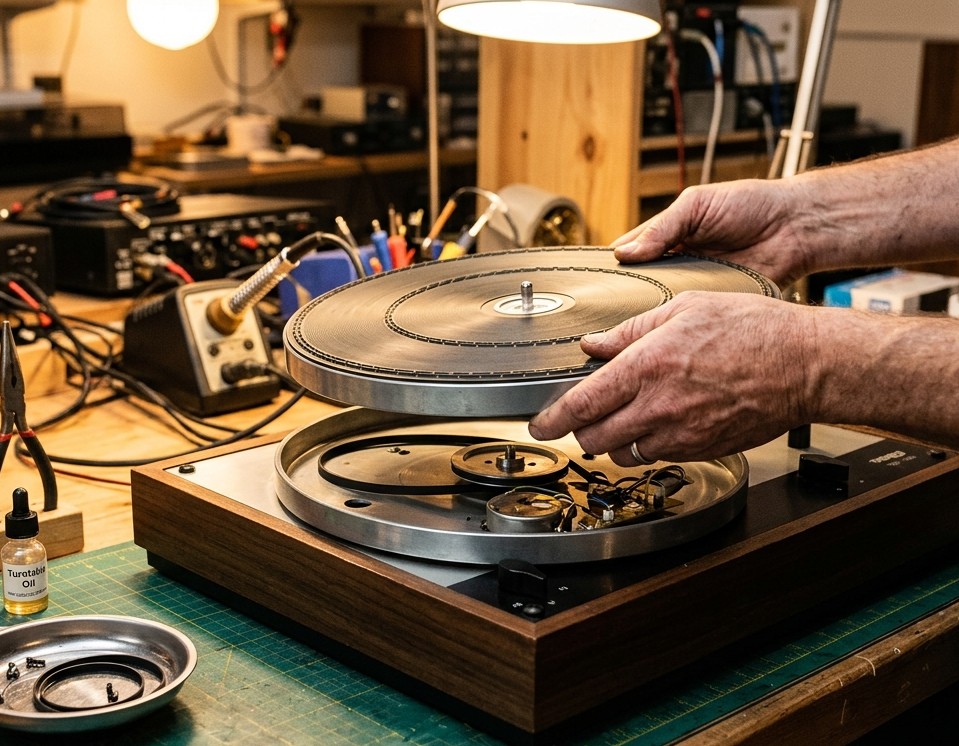
Most home turntables use a belt-drive system, where an elastic belt connects the motor to the platter. Over years of use, this belt naturally stretches, cracks, or loses grip, which is one of the most common reasons a turntable either won’t spin at all or runs noticeably slower than it should.
2. Motor or Speed Control Issues
If the belt checks out fine, the fault may sit with the motor itself or its speed control circuitry. This is particularly common in older turntables that have sat unused in storage for extended periods, where internal components can seize or degrade over time.
3. Dust and Debris Buildup
Dust, grime, and old lubricant residue can accumulate around the spindle, platter bearing, and motor pulley. This buildup restricts smooth movement and can cause the platter to spin unevenly or not turn at all.
Common Causes of Skipping
1. A Dirty or Damaged Stylus
The stylus (needle) is the most delicate part of your entire setup. Dust, debris, or physical wear on the tip can cause it to bounce across the grooves instead of tracking them smoothly, resulting in skips and jumps.
2. Incorrect Tracking Force or Anti-Skate Settings
Every turntable’s tonearm needs to be balanced with the correct amount of downward pressure. Too little tracking force, or an incorrectly set anti-skate adjustment, is a common cause of persistent skipping, even on records that are otherwise in good condition.
3. An Unlevel Turntable or Unstable Surface
If your turntable isn’t sitting perfectly level, or it’s placed on a surface prone to vibration (like a shared shelf near speakers), the added movement can cause the needle to jump unpredictably.
4. Warped or Damaged Records
Sometimes the issue isn’t the turntable at all. A warped record, or one with visible scratches along the groove path, can cause skipping regardless of how well the equipment itself is functioning.
What You Can Safely Check Yourself
Before booking a repair, a few basic checks can help narrow things down:
- Inspect the belt for visible cracking, stretching, or slipping off the pulley
- Clean the stylus gently with a proper stylus brush, following the manufacturer’s direction
- Check the tonearm balance and anti-skate settings against your model’s manual
- Place a spirit level on the platter to confirm the turntable is sitting evenly
- Test with a different record to rule out a warped or damaged disc
If these checks don’t resolve the issue, or you’re not confident opening up the unit further, it’s time to bring in a professional.
Why Professional Diagnosis Matters
Turntables are more mechanically involved than most modern audio gear, combining precision engineering with delicate electrical components. According to detailed turntable troubleshooting guidance from Duratone Australia, issues like motor faults, speed instability, and cartridge wiring problems often require proper diagnostic tools and experience to resolve correctly, rather than trial-and-error adjustments at home.
This is exactly where experienced turntable repair in Sunshine Coast technicians make the real difference. Attempting deeper internal repairs without the right knowledge risks further damaging delicate components like the tonearm wiring, cartridge, or motor assembly, turning a simple fix into a much costlier one.
When to Book a Professional Repair
Some signs point clearly toward needing expert attention:
- The belt has visibly worn out and needs replacement but the platter still won’t spin correctly afterward
- The motor makes unusual grinding or humming noises
- Skipping persists even after cleaning the stylus and checking tracking force
- Your turntable has been in storage for years and hasn’t been serviced
- You own a vintage or valuable deck and want it properly assessed before use
How Brocky’s Electronics Can Help
At Brocky’s Electronics, we’ve been restoring audio equipment for Sunshine Coast locals since 2006, and that includes turntables, tape decks, and other vintage gear that most repairers simply give up on. Our technicians work at a component level, meaning we can actually repair internal parts rather than just swapping out boards.
What working with our team looks like:
- Honest, transparent diagnostics before any work begins
- Component-level repair capability for genuinely lasting fixes
- A 12-month warranty on all completed repairs
- Repair costs guaranteed below 60% of a new replacement item
For a full breakdown of our audio servicing capabilities, visit our dedicated Audio Equipment Repair Sunshine Coast page. If your gear involves other instruments or equipment alongside your turntable setup, our Music Equipment Repair service covers a wide range of gear across the Sunshine Coast.
We’ve also covered similar diagnostic principles in our guide on diagnosing faulty audio output from amplifiers, which shares a lot of the same troubleshooting logic covered here.
You can see what local customers have said about working with us on our Google Business Profile.
FAQs
1. Why does my turntable spin slower than it should?
This is usually caused by a stretched or worn drive belt, which loses grip and can no longer maintain the correct rotational speed.
2. Can a dirty stylus really cause skipping?
Yes, dust and debris on the stylus tip are among the most common causes of skipping, even on records in otherwise good condition.
3. Is it safe to replace a turntable belt myself?
For many models, yes, as long as you use the correct replacement size. However, if the platter still doesn’t spin correctly after a belt change, further diagnosis is needed.
4. How often should a turntable be serviced?
There’s no strict schedule, but a check-up every few years, or whenever performance changes noticeably, helps catch issues early before they worsen.
5. Will a new belt fix a turntable that won’t spin at all?
Often yes, if the belt is the actual cause. But if the motor itself has failed or the speed control circuit is faulty, replacing the belt alone won’t solve it, which is why a proper diagnosis matters before buying parts.
Final Thoughts
A skipping or non-spinning turntable is frustrating, but it’s rarely a mystery once you understand the usual causes. From worn belts to stylus wear, most issues have a clear, fixable explanation. If you’ve worked through the basic checks and the problem persists, professional turntable repair Sunshine Coast technicians can properly diagnose and resolve it, so you can get back to enjoying your record collection the way it was meant to sound.
Don’t let a faulty deck gather dust in the corner. Contact us today to book a diagnosis and get your turntable spinning smoothly again.