
Most audio equipment repair jobs we see at Brocky’s Electronics didn’t happen overnight. A mixer that’s been crackling for months, an amplifier that finally died after years of poor ventilation, or a TV that took one too many storms without a surge protector. The damage builds up gradually, and by the time it shows up as a fault, the cause is usually something that could have been prevented entirely.
At Brocky’s Electronics in Maroochydore, we repair televisions, amplifiers, mixers, and music gear for Sunshine Coast households and studios every week. Here’s what’s actually causing most of the audio equipment repair work we see, and how to stop it happening to your gear.
Power Surges and Voltage Fluctuations
Power surges are one of the leading causes of damage to TVs and audio equipment, and they’re often invisible until the moment something fails completely. A sudden spike in voltage can destroy sensitive internal circuits in a fraction of a second.
Common causes on the Sunshine Coast include:
- Lightning strikes during Queensland’s storm season
- Sudden restoration of power after an outage
- Faulty wiring in older properties
- Switching surges from large appliances on the same circuit
A quality surge protector diverts excess voltage away from your equipment before it reaches the sensitive components inside. For amplifiers, mixers, and other valuable audio gear, this is one of the cheapest and most effective protective measures available.
What to do:
- Use a reliable surge protector rated for your equipment’s power draw
- Avoid plugging expensive gear directly into wall outlets
- Disconnect equipment entirely during severe storms
Overheating From Poor Ventilation
Heat buildup is one of the most common reasons amplifiers, mixers, and televisions need audio equipment repair earlier than expected. Every electronic device generates heat during operation, and without proper airflow, internal temperatures climb high enough to gradually degrade the components inside.
Common causes of overheating we see in Sunshine Coast homes and studios:
- Amplifiers crammed into tight, enclosed cabinets
- TVs mounted too close to walls with no clearance
- Multiple components stacked directly on top of each other
- Ventilation vents blocked by dust or surrounding objects
Capacitors, in particular, are highly sensitive to heat. Sustained high temperatures shorten their service life dramatically, which is why so much of our audio equipment repair work involves capacitor replacement on gear that simply never had room to breathe.
Prevention is straightforward: leave adequate space around every device, keep vents clear, and switch equipment off when it’s not in use rather than leaving it on standby permanently.
Dust and Dirt Accumulation
Dust is a slow, quiet killer of audio gear. It blocks cooling fans, traps heat inside the housing, and settles onto electrical contacts where it interferes with connections over time. Living rooms with carpets, rehearsal spaces, and home studios with pets all accumulate dust faster than people typically realise.
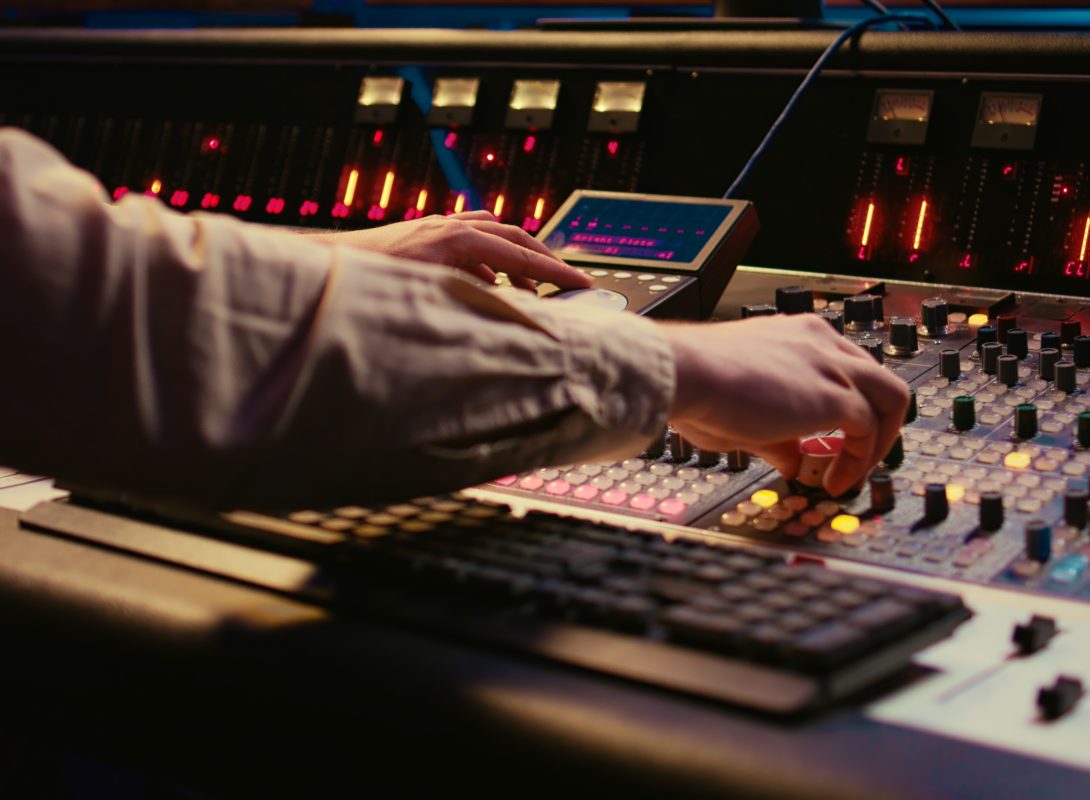
A clean playing or listening environment genuinely extends the life of mixers, amplifiers, and other equipment. Wiping down surfaces regularly and using compressed air to clear dust from vents and fader tracks is a habit worth building into your routine, not just an occasional task.
Damaged or Low-Quality Cables
Cables carry every signal your audio equipment processes, and poor-quality or worn leads cause a surprising amount of the audio equipment repair work we see. Signal interruptions, distorted audio, overheating ports, and even short circuits inside mixers and amplifiers can all trace back to a single damaged cable.
If your sound system has started behaving unpredictably, the device itself often isn’t to blame at all. Faulty connections cause far more faults in mixer setups than most people expect, and replacing cables early prevents the kind of cascading damage that turns a $20 cable problem into a much more expensive repair.
Liquid Spills Near Electronics
Liquids are genuinely dangerous to electronic equipment. Even a small spill can find its way into internal circuits through buttons, ports, or vents, and water, coffee, or soft drinks all cause corrosion and short circuits that develop over hours or days, not always immediately.
Liquid accidents are common in home entertainment areas, music studios, and live performance setups where drinks are nearby gear as a matter of course.
If liquid contact happens:
- Switch the device off immediately, don’t wait to see if it’s still working
- Don’t attempt to power it back on until it’s been professionally checked
- Bring it in for inspection as soon as practical, even if it seems fine
Professional assessment after any liquid exposure catches internal corrosion before it becomes a complete failure.
Rough Handling and Transportation
Physical impact damages delicate internal components even when the outside of the unit looks completely fine. TVs moved without protective packaging, amplifiers transported without padded cases, and cables yanked out by the cord rather than the connector all contribute to faults that develop gradually after the initial knock.
Musicians and technicians who regularly transport gear should invest in proper road cases. The cost is small compared to the audio equipment repair bills that come from preventable transport damage.
Ignoring Early Warning Signs
Small issues left unaddressed eventually become major failures. The warning signs are usually there well before equipment stops working completely:
- Crackling or distorted sound from speakers or amplifiers
- Flickering or dimming TV screens
- Unusual buzzing or humming from any component
- A faint burning or overheating smell
Addressing these signs early, rather than waiting for complete failure, keeps repair costs significantly lower and often saves equipment that would otherwise need full replacement.
Professional Help When Problems Appear
Even well-maintained TVs and audio gear develop faults eventually. When that happens, expert audio equipment repair restores performance and extends the working life of equipment that’s often still genuinely worth keeping.
Our music equipment repair service covers mixers, audio interfaces, speakers, and instruments across the Sunshine Coast. If your setup includes valve gear specifically,
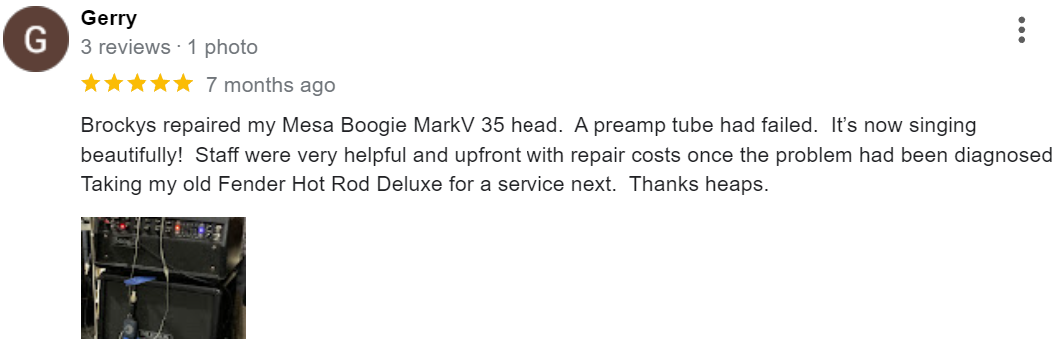
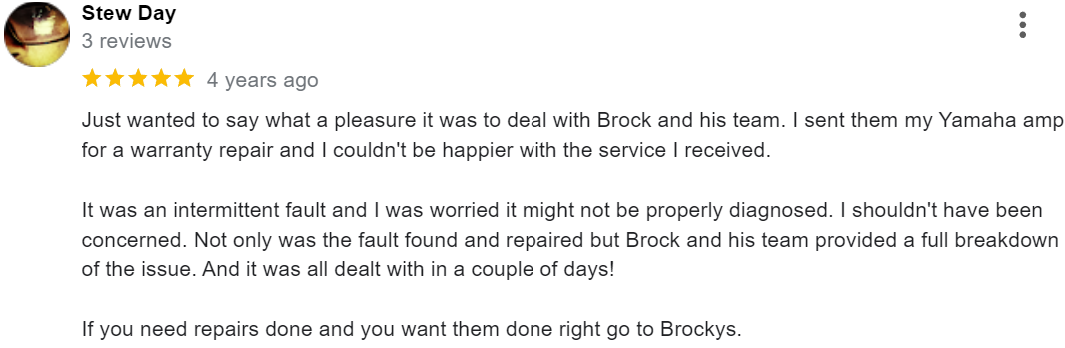
See what other Sunshine Coast musicians and households think of our work by reading what our customers say before you book.
Book Your Audio Equipment Repair Today
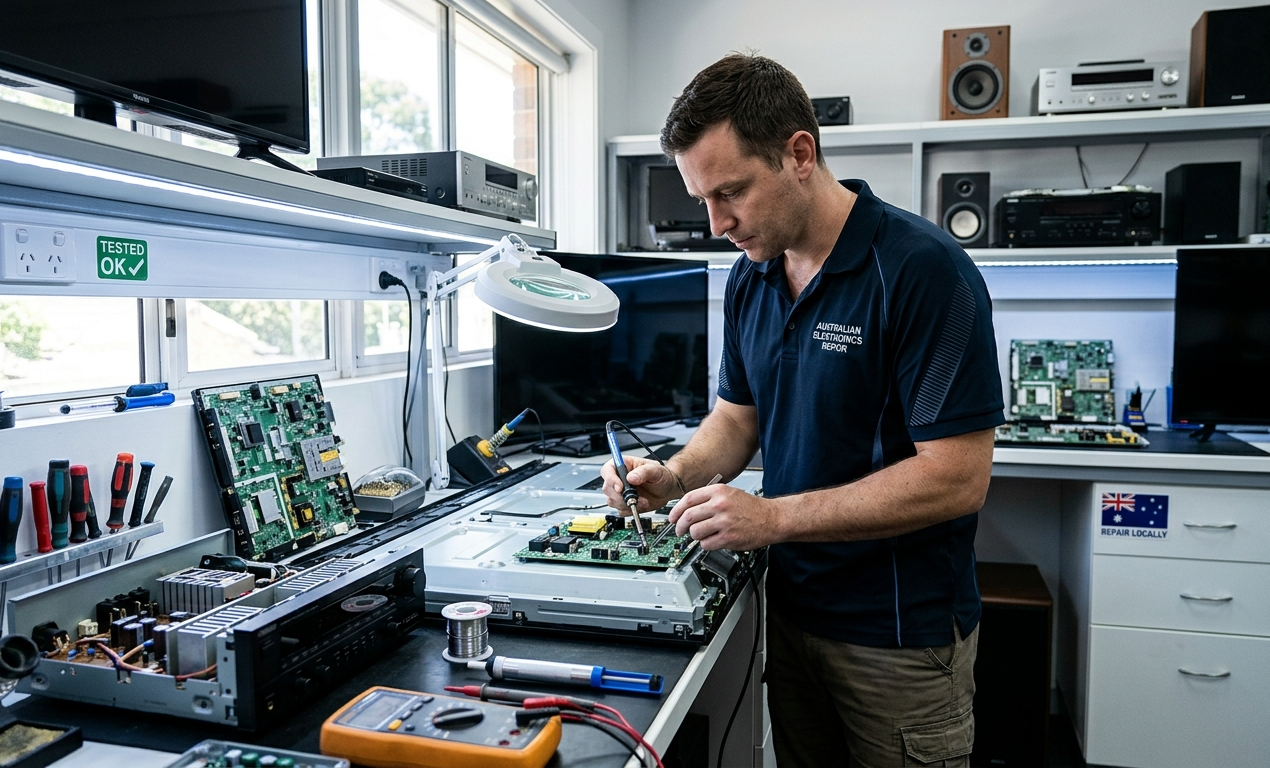
Whether it’s a TV, amplifier, mixer, or any other piece of home or studio audio gear, the team at Brocky’s Electronics in Maroochydore is ready to diagnose the problem properly and get your equipment performing reliably again.
Visit us at Shop 6/12 Newspaper Place, Maroochydore QLD 4558, call us on 1800 544 644 or text 0422 394 174, Monday to Friday between 8:30am and 4pm.
Get in touch to book your audio equipment repair assessment or get a no-obligation quote.
FAQs
1. What damages audio equipment the most?
Power surges, overheating, and liquid spills cause the majority of audio equipment failures we see, often building up gradually before the equipment finally stops working.
2. Can dust really harm my audio gear?
Yes. Dust blocks ventilation, traps heat, and interferes with electrical contacts, all of which shorten the working life of mixers, amplifiers, and TVs over time.
3. Should I turn off equipment when not in use?
Yes. Switching off rather than leaving on standby reduces heat buildup and extends the life of internal components, particularly capacitors.
4. How do I protect my equipment from power surges?
A quality surge protector and disconnecting devices during storms significantly reduces the risk of sudden voltage spike damage.
5. When should I get professional audio equipment repair?
If you notice distorted sound, flickering screens, overheating smells, or random shutdowns, get it assessed before the fault worsens and becomes more expensive to fix.