
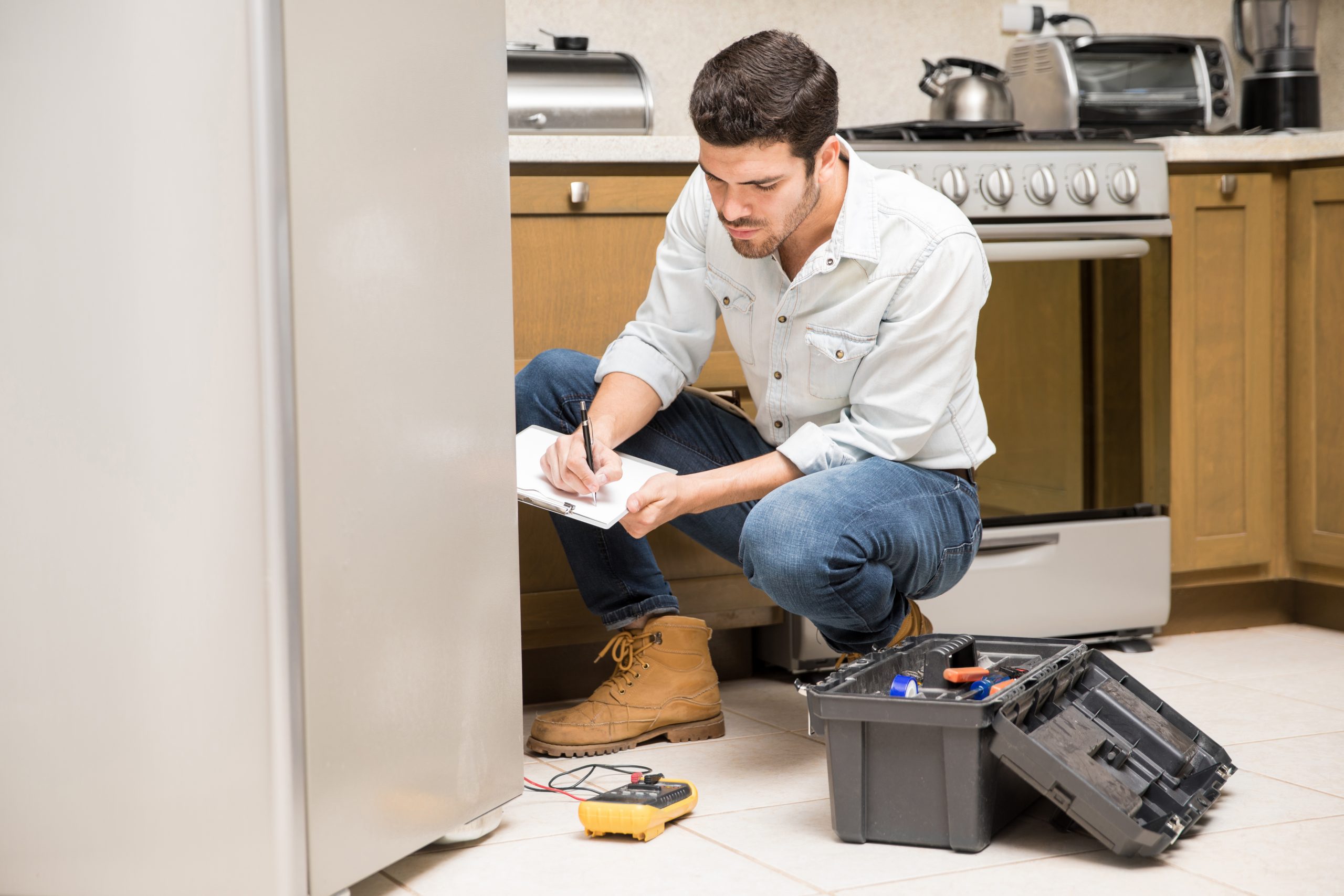
Deciding when to repair vs replace home electronics can be challenging, especially as modern devices become more complex and expensive. This guide explains how to evaluate common factors, including repair costs, device age, performance decline, and long-term reliability. It covers popular household electronics, including televisions, audio equipment, digital pianos, and amplifiers, helping homeowners understand realistic lifespans and common failure points. By comparing repair benefits against replacement risks, this article provides practical guidance to support more intelligent decisions, reduce unnecessary waste, and extend the usable life of valuable electronic equipment.
Why the Repair vs Replace Question Matters
Home electronics play a central role in daily life, from entertainment and music to learning and creative work. When a device fails, the immediate question is whether repairing it makes sense or if replacement is the better option.
Replacing electronics too quickly can be costly and wasteful. On the other hand, repairing a device beyond practical recovery may lead to recurring failures. Knowing how to weigh these choices saves time, money, and frustration.
Key Factors to Consider Before Deciding
Several factors should be reviewed before making a decision.
Important considerations
- Age of the device
- Original build quality
- Cost of repair versus replacement
- Availability of parts
- Frequency of recent faults
- Performance compared to modern needs
No single factor determines the outcome. The decision often depends on how these elements combine.
Understanding the Expected Lifespan of Electronics
Most home electronics have a predictable service life.
Typical lifespan ranges
- Televisions: 7–10 years
- Audio amplifiers: 10–20 years
- Digital pianos: 10–15 years
- Speakers: 15+ years
Devices nearing the end of their expected lifespan may still be repairable, but cost-effectiveness becomes more important.
External consumer guidance such as Consumer Reports electronics lifespan insights explains how product age affects repair decisions.
When Repair Is Usually the Better Choice
Repair often makes sense when the issue is isolated and the device still meets user needs.
Repair is recommended if
- The fault is minor or localised
- The device has strong build quality
- Replacement cost is significantly higher
- Performance remains satisfactory
- Parts are readily available
Many electronics fail due to a single worn component rather than a complete system breakdown.
Common Repairable Problems
Specific faults are routinely fixed without replacing the entire unit.
Examples include
- Power supply failures
- Worn connectors or switches
- Speaker distortion
- Control board faults
- Display backlight issues
In musical equipment, components such as valves, capacitors, and sensors are designed to be serviced rather than discarded.
When Replacement Makes More Sense
In some cases, replacement is the more practical option.
Replacement may be better if
- Repair cost approaches replacement price
- Multiple major components have failed
- Parts are discontinued
- Safety risks are present
- Performance no longer meets modern standards
Repeated repairs on ageing electronics can lead to escalating costs over time.
The Hidden Cost of Cheap Replacement
Low-cost replacements may appear attractive but can introduce new issues.
Potential drawbacks
- Shorter lifespan
- Lower sound or picture quality
- Limited repair options
- Reduced durability
Well-built older electronics often outperform newer budget models once repaired.
External sustainability research from iFixit Right to Repair resources highlights why repair can extend product value and reduce waste.
Special Considerations for Music and Audio Equipment
Musical and audio electronics deserve extra evaluation.
Why repair is often preferred
- Sound character improves with age
- Components are modular
- Performance remains competitive
- Build quality is usually higher
Valve amplifiers, digital pianos, and professional audio equipment are commonly repaired rather than replaced due to their long service life and tonal characteristics.
For equipment-specific guidance, Music Equipment Repair details can be found here.
Television and Display Equipment Decisions
Televisions present a different calculation.
Repair may suit
- Power faults
- Backlight failures
- Input or control board issues
Replacement may suit
- Panel damage
- Severe screen burn-in
- Multiple board failures
For brand-specific considerations, Sony TV Repair information may help.
Environmental and Financial Impact
Repairing electronics reduces landfill waste and lowers demand for raw materials. It also helps households avoid the recurring expense of replacement cycles.
From a financial perspective, a successful repair often restores years of additional use at a fraction of replacement cost.
External environmental references such as Energy.gov electronics efficiency guidance explain how extending device life supports energy savings
Professional Assessment Makes the Difference
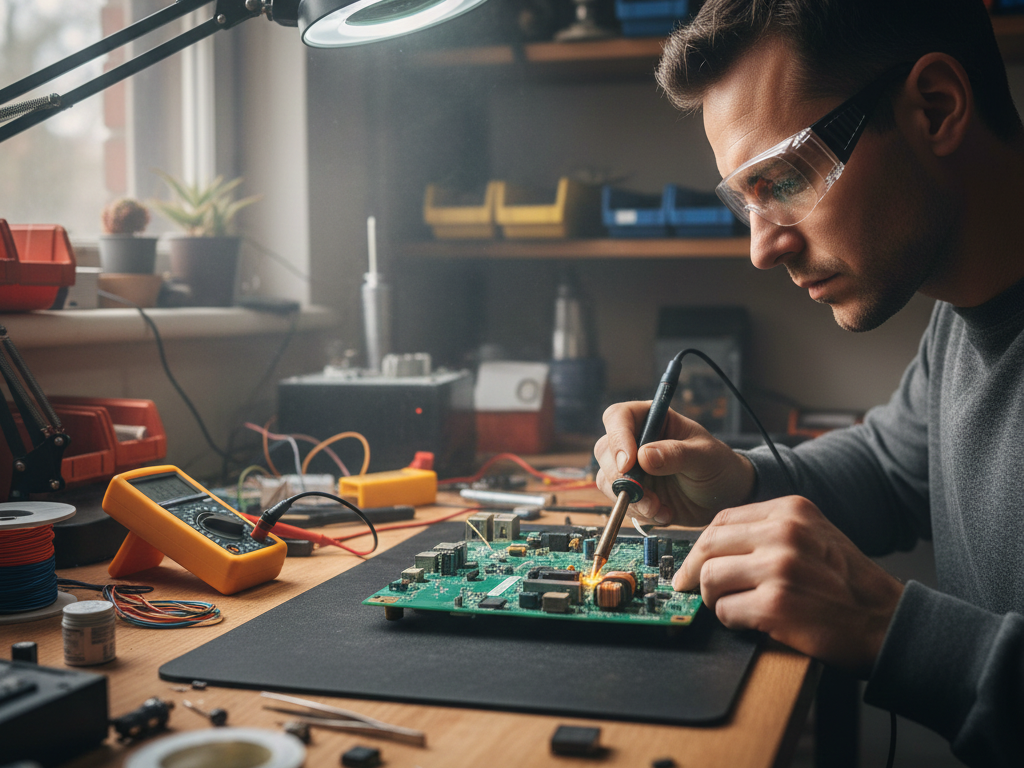
Many homeowners decide too early without proper evaluation. A professional inspection can identify:
- Exact fault location
- Repair feasibility
- Realistic cost expectations
- Long-term reliability
This prevents guesswork and unnecessary replacement.
Final Thoughts & Professional Support
Choosing when to repair vs replace home electronics requires careful consideration of cost, condition, performance, and long-term value. In many cases, professional repair restores functionality and extends lifespan far beyond expectations.
For expert assessment and reliable servicing across televisions, audio gear, valve amplifiers, and digital pianos, contact Brocky’s Electronics today. Their experienced technicians provide honest advice and quality repairs designed to protect your investment.
Frequently Asked Questions
1. Is repairing electronics usually cheaper than replacing?
Often yes, especially for quality equipment.
2. How old is too old to repair electronics?
Age matters less than build quality and fault type.
3. Are musical electronics worth repairing?
Yes, they are often designed for long-term service.
4. Do repairs affect resale value?
Professional repairs can preserve or improve value.
5. Should I repair or replace after repeated faults?
Repeated major failures usually indicate that replacement is the better option.