
Extending the lifespan of home electronics helps households reduce repair costs, avoid unexpected failures, and get better long-term value from everyday devices. From televisions and digital pianos to amplifiers and audio equipment, most electronics wear down due to heat, dust, power fluctuations, and poor handling rather than age alone. This guide explains how electronics degrade over time, which habits shorten their working life, and what practical care steps make the biggest difference. By following proven home electronics maintenance tips, homeowners can reduce damage, ensure consistent performance, and keep devices running reliably for many years rather than replacing them prematurely.
Why Home Electronics Fail Earlier Than Expected
Many people assume electronics stop working simply because they are “old.” In reality, damage often begins much earlier due to daily environmental stress. Heat buildup, blocked ventilation, unstable power supply, and moisture exposure are common contributors. These issues affect circuit boards, internal wiring, and sensitive components long before visible problems appear.
Protecting household electronics starts with understanding that even small habits—like stacking devices or leaving them powered on constantly—can shorten their usable life. Once internal stress accumulates, performance drops, repairs become more frequent, and replacement feels unavoidable.
Heat Control: A Key Factor in Electronics Care and Maintenance
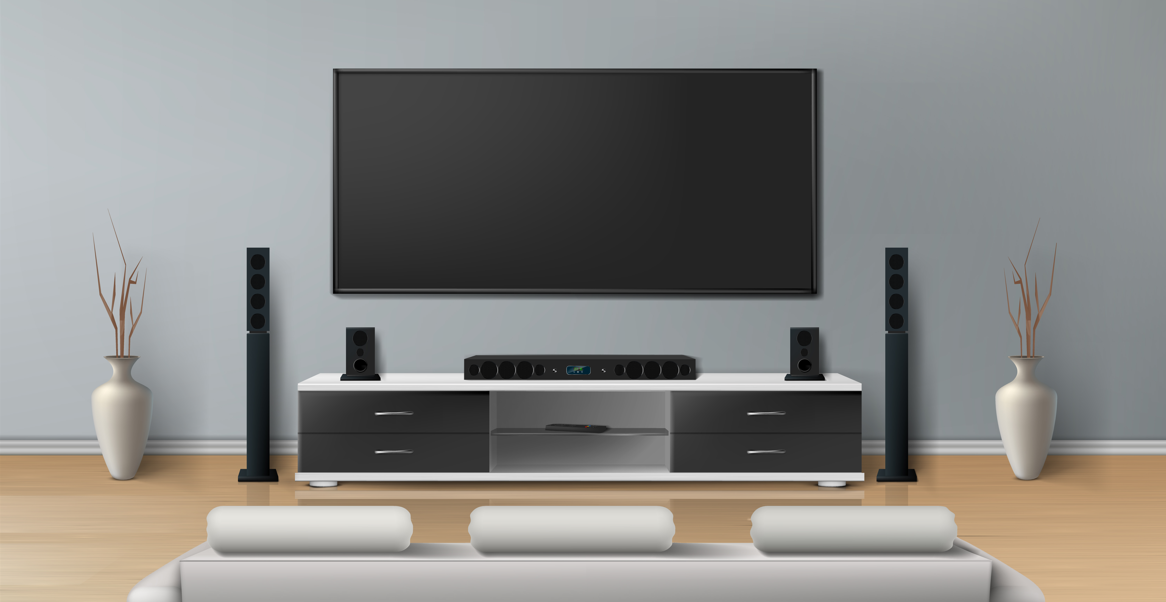
Heat is one of the most damaging forces inside electronic devices. Televisions, amplifiers, and music equipment generate heat naturally, but poor airflow accelerates internal wear and tear. Devices placed inside closed cabinets or pushed against walls trap heat, which weakens solder joints and internal components.
Simple electronics care and maintenance steps, such as spacing devices properly, cleaning vents, and avoiding direct sunlight, can significantly slow deterioration. Powering equipment down when not in use also allows internal temperatures to stabilise, which helps components last longer.
Power Protection and Voltage Stability
Power surges and unstable voltage damage electronics silently. Even small fluctuations can stress internal circuits over time. Homes without surge protection often experience repeated minor damage that accumulates over time.
Using surge-protected power boards and avoiding overloading outlets helps prevent damage to electronic devices.
Dust, Moisture, and Environmental Exposure
Dust buildup restricts airflow and increases internal heat. Moisture introduces corrosion, especially in humid environments. Music equipment, digital pianos, and televisions are particularly sensitive to these conditions.
Routine cleaning using dry microfiber cloths and controlled room humidity helps protect internal parts. Avoid storing electronics in garages, sheds, or damp rooms. Protecting household electronics begins with choosing the right location inside the home.
Proper Usage Habits Matter More Than You Think
Rough handling, incorrect cable selection, and forced connections often cause hidden damage. Bending HDMI ports, yanking power cords, or using incompatible accessories stresses connectors and internal mounts.
Home electronics maintenance tips include using manufacturer-approved cables, disconnecting devices gently, and avoiding frequent plug changes. These habits help preserve internal connections and prevent early failure.
Why Timely Repairs Extend Device Lifespan
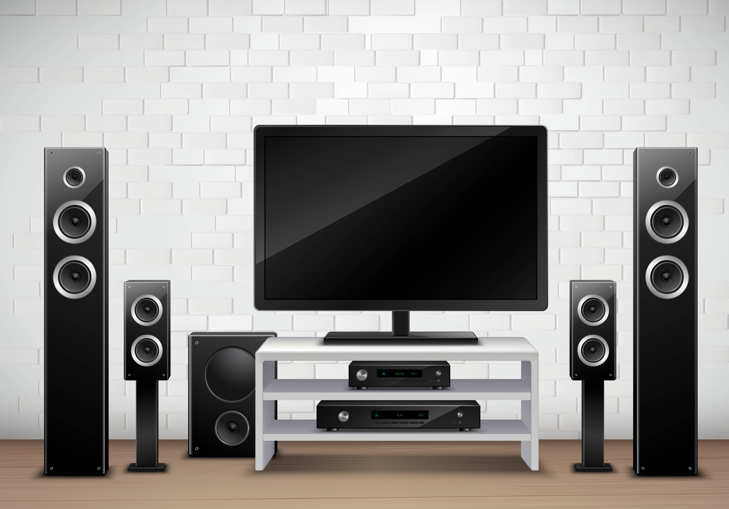
Ignoring small issues often leads to larger failures. Flickering screens, audio distortion, or intermittent power are early warnings. Addressing these signs early enables targeted repairs rather than full replacements.
Guidance from BURLEIGH APPLIANCES highlights that repairing electronics early often costs far less than replacing failed components later.
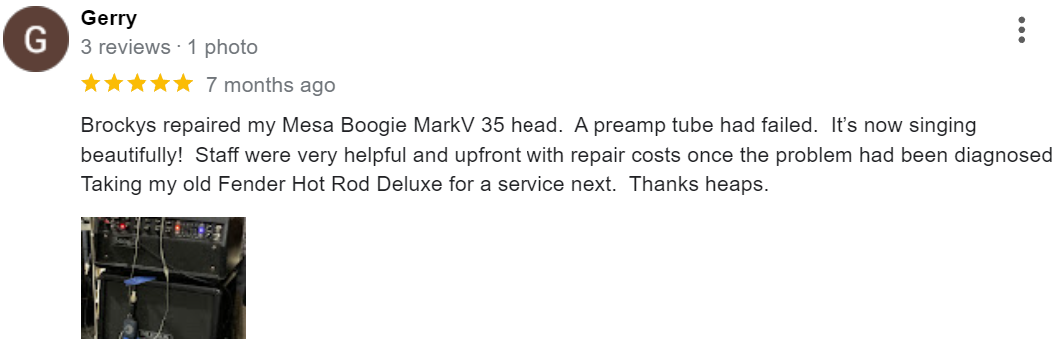
For audio gear and instruments, professional Music Equipment Repair services help restore performance before damage spreads internally.
Brand-Specific Care and Model Awareness
Different brands use different components and layouts. Understanding brand-specific maintenance needs improves outcomes. For example, display panels and processing boards vary widely between manufacturers.
When issues appear in premium displays, specialist Sony TV Repair support helps preserve screen quality and internal systems rather than risking incorrect fixes.
Safe Storage and Transport Practices
Electronics are most vulnerable during moves and storage. Sudden temperature changes, vibration, and impact damage internal parts even if the exterior looks fine.
Using padded packaging, keeping devices upright, and allowing temperature adjustment before powering on help prevent damage to electronic devices during relocation or storage.
When Maintenance Isn’t Enough
Even with excellent care, components wear naturally. Capacitors dry out, connectors loosen, and internal boards age. Knowing when a professional assessment is required prevents unsafe operation and further damage.
Repair-friendly design and access to spare parts make servicing a better option than replacement. iFixit research shows repairable devices last longer and reduce electronic waste.
Final Thoughts and Professional Support
Extending the lifespan of home electronics depends on everyday habits, environmental control, and timely professional care. Preventive steps reduce failures, protect performance, and delay costly replacements.
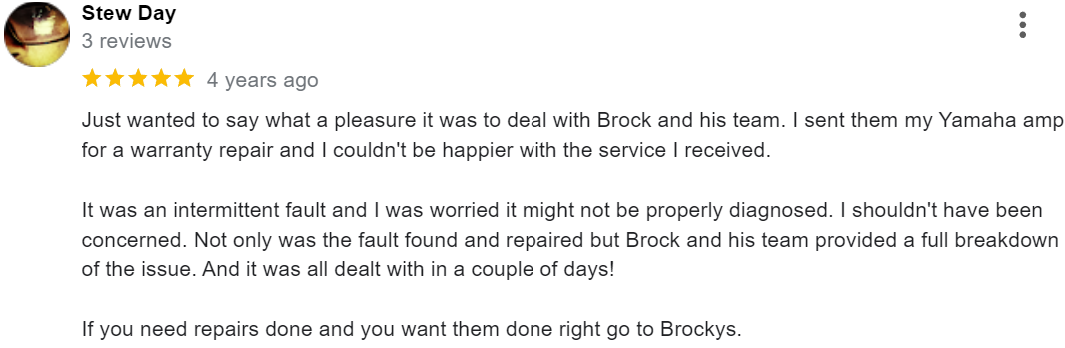
For expert assessment, service, and trusted repairs for televisions, audio equipment, and instruments, contact Brocky’s Electronics today. Their experienced technicians help restore performance and protect long-term reliability.
FAQs
1. How often should home electronics be serviced?
Most electronics benefit from inspection every 1–2 years, especially high-use devices like TVs and amplifiers.
2. Does turning electronics off really help?
Yes. Powering down reduces heat stress and slows internal component wear.
3. Are surge protectors really necessary?
Yes. They protect devices from voltage spikes that cause hidden long-term damage.
4. Can dust actually damage electronics?
Dust blocks airflow and increases heat, which accelerates internal degradation.
5. When should I repair instead of replace?
If the issue is isolated and parts are available, repair usually offers better value and longevity.