
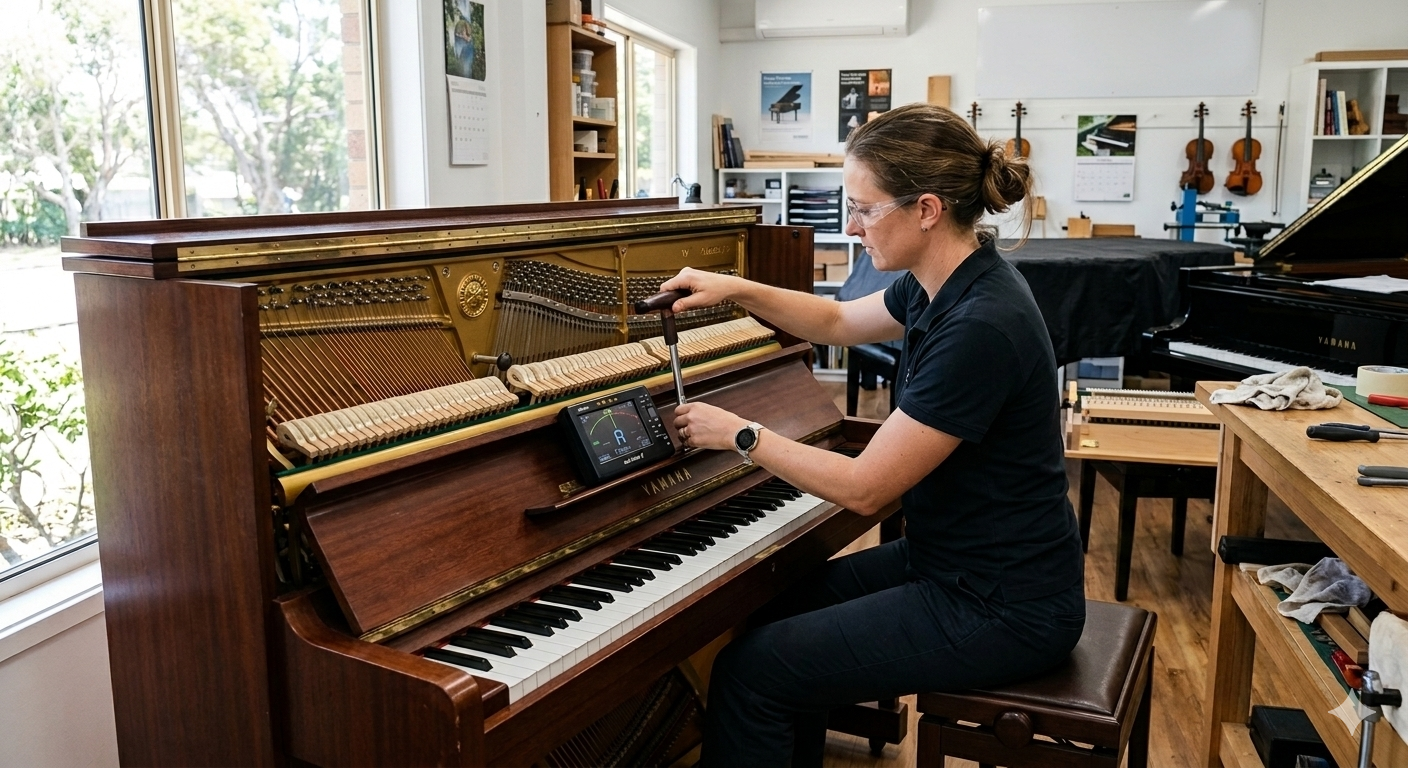
Pianos are complex musical instruments that require regular care to stay in good playing condition. Over time, owners may notice issues such as sticky keys, tuning instability, or uneven sound. These are common piano problems that often appear due to humidity changes, wear, dust buildup, or internal mechanical faults. Regular servicing and Piano tuning Sunshine Coast can help maintain sound quality and playability. In this guide, Brocky’s Electronics explains the most frequent piano issues and simple ways to address them. Whether you own an upright or digital piano, understanding these problems can help you know when maintenance or help from a Piano technician Sunshine Coast may be needed.
Why Piano Maintenance Matters
A piano contains thousands of small moving parts. Keys, hammers, dampers, and strings all work together to create sound. Over time, changes in humidity, dust, and everyday use can affect these components.
Regular care and Piano tuning Sunshine Coast help maintain accurate pitch and prevent mechanical problems from getting worse. Many owners ignore small issues until the piano becomes difficult to play, but early attention often saves time and repair costs later.
Below are ten of the most common piano problems and practical ways to fix or manage them.
1. Piano Out of Tune
One of the most frequent issues piano owners face is tuning instability. Pianos gradually fall out of tune because string tension changes with humidity and temperature.
Signs include notes sounding slightly sharp or flat, especially when playing chords.
How to fix it:
Regular Piano tuning Sunshine Coast is the most effective solution. Professional tuning restores correct pitch and keeps the instrument sounding balanced.
Most pianos benefit from tuning at least once or twice a year.
2. Sticky or Slow Keys
Sticky keys are frustrating and common in both acoustic and digital pianos. This problem usually happens due to dust, moisture, worn felt parts, or spilled drinks.
Keys may return slowly or remain partially pressed.
How to fix it:
Cleaning the key surface may help if dirt is the cause. However, internal action problems often require inspection by a Piano technician Sunshine Coast. If liquid damage caused the issue, you can read more about repairing digital piano damage caused by spills.
3. Some Keys Produce No Sound
When pressing a key produces no sound, there may be a mechanical or electronic issue depending on the piano type.
Possible causes include:
- Broken hammer components
- Damaged strings
- Faulty sensors in digital pianos
How to fix it:
A technician should check the internal mechanism. Regular Piano tuning Sunshine Coast services often include inspection that helps identify these issues early.
4. Uneven Sound Between Notes
Sometimes certain notes sound louder or softer than others. This imbalance is usually caused by worn hammer felt or uneven action adjustments.
Players may notice that scales sound inconsistent.
How to fix it:
A Piano technician Sunshine Coast can adjust hammer alignment and key action to balance the sound across the keyboard.
Routine Piano tuning Sunshine Coast often includes minor adjustments that improve tonal consistency.
5. Buzzing or Rattling Sounds
Buzzing noises can appear when screws loosen or when internal components vibrate during playing.
Other causes include:
- Loose hardware
- Objects trapped inside the piano
- Damaged strings
How to fix it:
First check if external objects are touching the instrument. If the sound continues, a technician should inspect the piano structure.
Regular servicing and Piano tuning Sunshine Coast help identify loose parts before the sound becomes distracting.
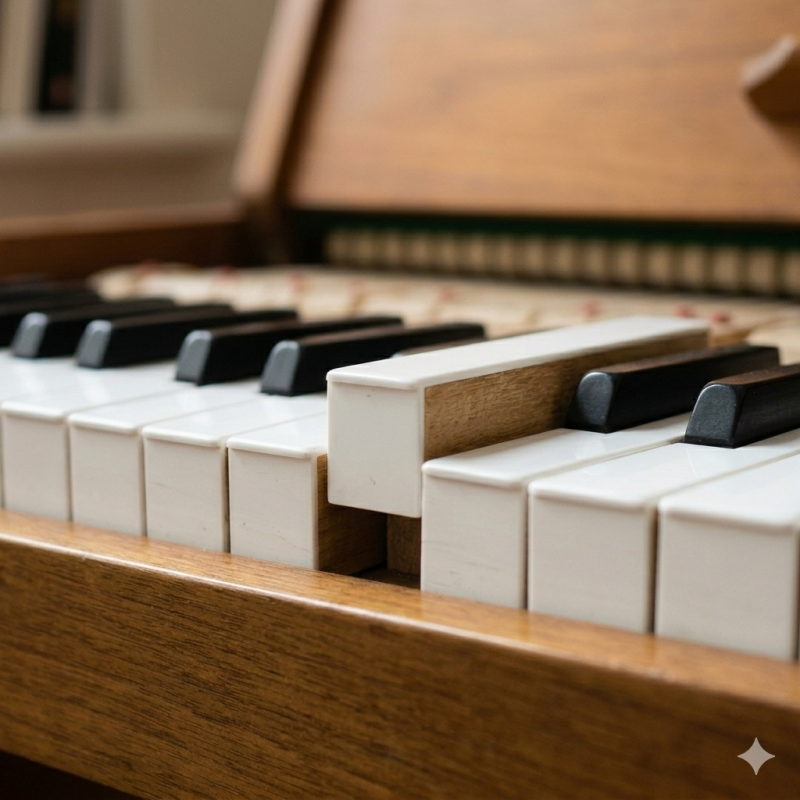
6. Broken or Damaged Piano Strings
In acoustic pianos, strings can break after years of tension and use. Although it is not very common, it does happen, especially in older instruments.
Signs include a sudden metallic snap and loss of sound on a note.
How to fix it:
String replacement must be handled by an experienced Piano technician Sunshine Coast. After replacement, the piano will also need Piano tuning Sunshine Coast to restore pitch balance.
7. Keys Feel Too Heavy or Too Light
A piano should feel balanced when played. If the keys suddenly feel heavy, stiff, or overly loose, internal action parts may be worn.
This can make playing difficult, especially for musicians practicing regularly.
How to fix it:
Action regulation by a Piano technician Sunshine Coast restores proper key response.
Maintaining correct humidity levels and scheduling Piano tuning Sunshine Coast can also help maintain consistent key feel.
8. Pedals Not Working Properly
Piano pedals control sustain and tone effects. When they stop working properly, music may sound muddy or cut off too quickly.
Common causes include:
- Broken pedal rods
- Worn felt parts
- Misaligned pedal mechanisms
How to fix it:
A technician can adjust or replace pedal components. This type of repair is often done alongside Piano tuning Sunshine Coast appointments.
9. Digital Piano Sound Distortion
Digital pianos sometimes produce distorted or uneven sound. The issue may come from internal speakers, wiring, or electronic boards.
Dust buildup or electrical faults can also affect sound quality.
How to fix it:
Electronic inspection is needed to find the faulty component. Specialists who handle music gear and electronics can repair these problems efficiently.
10. Piano Sound Becoming Dull
Over time, a piano may lose its brightness and projection. This usually happens because hammer felt becomes compressed after years of playing.
The instrument may sound dull even if it is in tune.
How to fix it:
Hammer reshaping and voicing can restore tonal clarity. A Piano technician Sunshine Coast can adjust the hammers so the piano produces a clearer tone.
Regular Piano tuning Sunshine Coast combined with periodic voicing keeps the instrument sounding balanced and expressive.
When to Call a Professional Piano Technician
Some piano problems are easy to notice but difficult to repair without proper tools. Internal mechanisms are delicate, and incorrect adjustments can cause further damage.
A professional technician can:
- Diagnose internal mechanical faults
- Restore tuning stability
- Improve sound balance
- Repair damaged parts
Scheduling Piano tuning Sunshine Coast regularly also allows technicians to identify early signs of wear before they develop into larger problems.
Reliable Piano Service on the Sunshine Coast
If your piano shows any of the issues mentioned above, professional service may help restore its sound and performance. At Brocky’s Electronics, experienced technicians handle many types of music equipment and electronic instruments.
Located at Unit 6/12 Newspaper Pl, Maroochydore QLD 4558, Australia, the team provides support for musicians and piano owners across the region.
Proper maintenance and Piano tuning Sunshine Coast services help protect your instrument and keep it enjoyable to play for many years.
Many owners also follow updates and service tips on the company’s Facebook page to keep their equipment performing well.
FAQs
1. How often should a piano be tuned?
Most pianos should be tuned once or twice each year. Regular Piano tuning Sunshine Coast helps maintain accurate pitch and prevents long-term tuning problems.
2. What causes piano keys to stick?
Sticky keys usually happen due to dust, humidity changes, worn felt components, or liquid spills. A Piano technician Sunshine Coast can inspect and repair the internal mechanism if cleaning does not fix the issue.
3. Can a broken piano string be repaired?
Yes, broken strings can be replaced by a trained technician. After replacement, the instrument will need Piano tuning Sunshine Coast to restore proper pitch balance.
4. Why does my piano sound dull even after tuning?
Dull sound often comes from worn hammer felt rather than tuning problems. Voicing adjustments by a technician can restore brightness.
5. Do digital pianos require servicing?
Yes. Digital pianos can develop speaker issues, key sensor faults, or electronic problems. Periodic inspection by technicians who repair music gear can help maintain performance.