
There’s a reason valve amplifiers have such a loyal following. That warm, rich tone simply isn’t something solid-state gear can fully replicate. But that same vintage charm comes with a trade-off valves age, components drift, and without the right care, even a beautifully built amp can start sounding thin, crackly, or worse, stop working altogether.
If you own a valve amp on the Sunshine Coast, understanding the basics of maintenance and knowing when to call in a professional can be the difference between decades of great sound and an expensive rebuild. This guide walks through what actually keeps these amps performing at their best, and when it’s time to book valve amplifier repair Sunshine Coast musicians and audiophiles already trust.
Why Valve Amplifiers Need Different Care Than Solid-State Gear
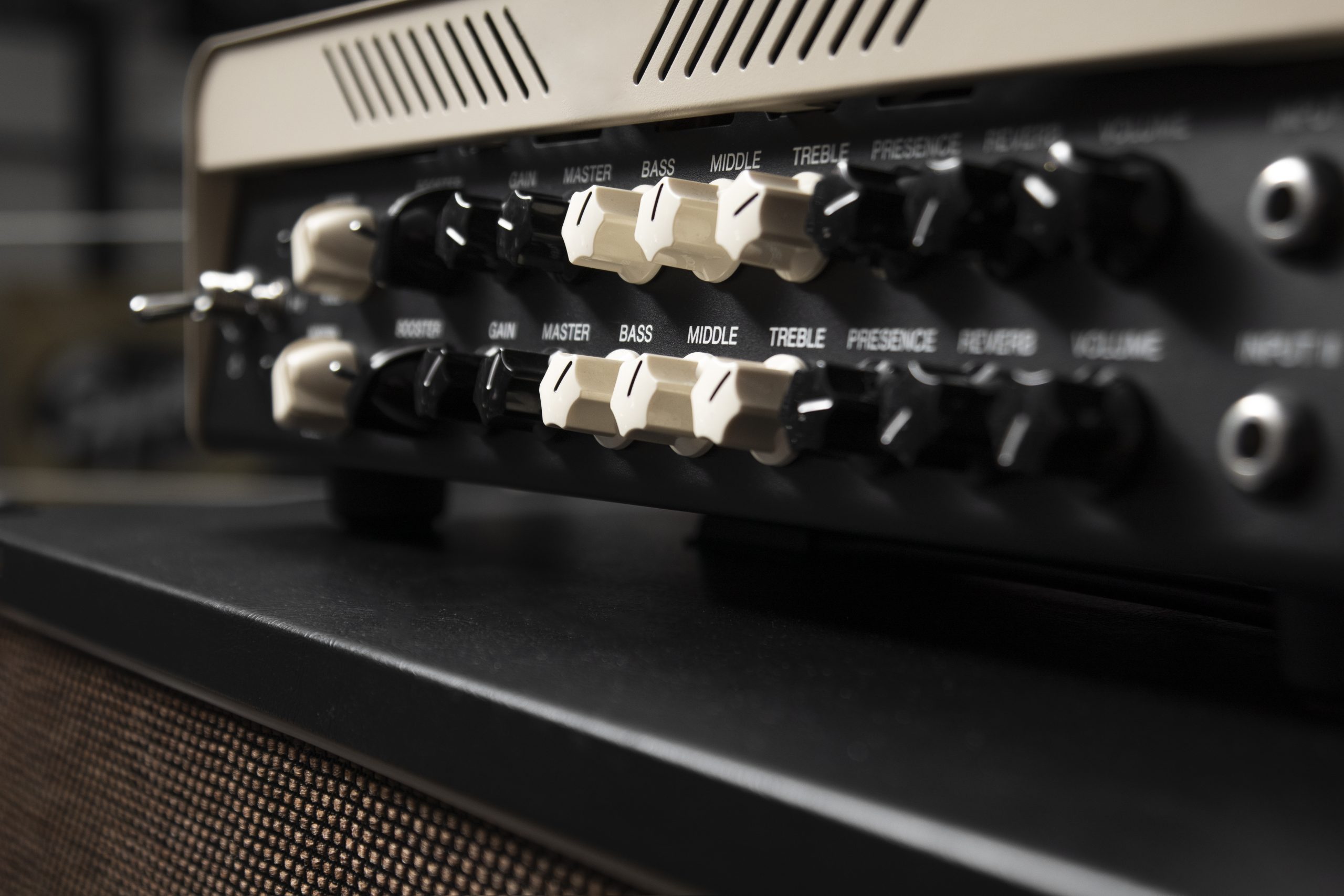
Valve amplifiers, also known as vacuum tube amplifiers, work quite differently to their transistor-based cousins. Every valve amplifier relies on glass tubes that heat up, carry high voltages, and physically wear out over time which is part of what gives them that distinctive tone, but also why they need more hands-on attention.
Because valve amps operate at high internal voltages, they also carry real electrical risk if opened up by someone without the right experience. This is one area where DIY genuinely isn’t worth the gamble.
Common Signs Your Valve Amplifier Needs Attention
Most valve amp issues show themselves clearly if you know what to listen and look for:
- Crackling or popping sounds — often a sign of a failing valve or a dry solder joint
- Loss of volume or tone — usually points to weakening valves or a drifting bias
- Hum or buzzing — commonly linked to ageing capacitors or earthing issues
- Amp cutting out intermittently — can indicate a loose connection or overheating component
- Visible glow changes in the valves — a valve glowing unusually bright or not at all needs checking immediately
If any of these sound familiar, it’s a strong sign your amp needs proper valve amplifier repair rather than a quick DIY fix.
Simple Maintenance That Extends the Life of Your Valve Amp
You don’t need to be a technician to look after your amp between services. A few good habits go a long way:
1. Let It Warm Up Properly
Valve amps need a short warm-up period before being pushed hard. Rushing this shortens valve life over time.
2. Keep It Ventilated
Valves generate real heat, so amps need airflow. Avoid stacking gear on top or tucking your amp into an enclosed cabinet.

3. Handle Valves with Care
Dust and moisture on valves can cause premature failure. Gently clean around them, never on a hot amp, and avoid touching the glass with bare hands where possible.
4. Get Bias Checked Periodically
Bias drifts naturally as valves age. An amp running out of bias puts unnecessary strain on the valves and output transformer.
5. Don’t Ignore Small Noises
A faint crackle today can become a bigger, more expensive fault tomorrow if left unchecked.
When DIY Isn’t Enough: Time for Professional Valve Amplifier Repair
Some issues are safe to keep an eye on. Others genuinely need a qualified technician, particularly because valve amps store high voltage even after being switched off. As outlined by the Electrical Safety Office Queensland, equipment carrying high internal voltages should only be opened and serviced by someone with the right training and safety knowledge.
Book a professional valve amplifier repair Sunshine Coast service when:
- The amp has visible scorch marks, burning smells, or smoke
- Valves are glowing unevenly or not lighting at all
- You’ve noticed a gradual decline in tone quality over months
- The amp hasn’t been serviced in several years
- You’re not confident opening the chassis safely
For a deeper look at what causes these faults in the first place, our guide on what causes valve amplifiers to fail breaks down the most common culprits in more detail.
Why Sunshine Coast Musicians Trust Brocky’s Electronics
We’ve built our reputation on treating every amp like it’s our own. Whether it’s a vintage guitar amp or a hi-fi valve unit, our technicians take the time to diagnose the real issue rather than just swapping parts.
What you get with our valve amplifier repair Sunshine Coast service:
- Experienced local technicians who understand vintage and modern valve gear
- Honest diagnostics — we’ll tell you if it’s a simple fix
- Careful handling of original and hard-to-source components
- Transparent pricing with no surprise costs
We also handle a wider range of gear through our music equipment repair service, covering everything from guitars to studio equipment.
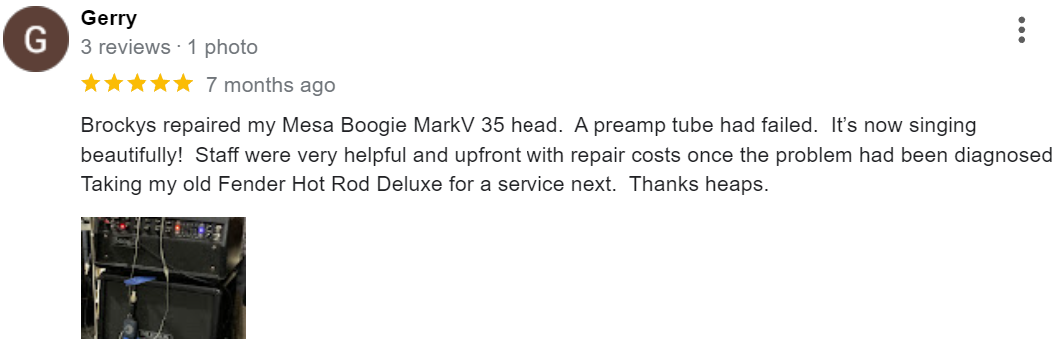
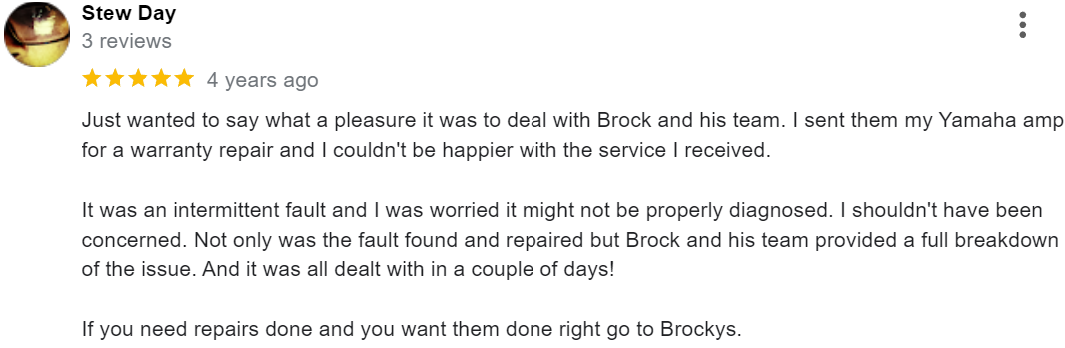
See what local musicians are saying about us on Google.
Get Your Valve Amp Sorted Today
Your valve amp deserves proper care, not guesswork. Whether it needs a routine check-up or a full repair, the team at Brocky’s Electronics is ready to help. Contact us today to book your valve amplifier repair.
FAQs
1. How often should a valve amplifier be serviced?
Most valve amps benefit from a check-up every 12–18 months, or sooner if you notice tone changes or unusual noises.
2. Can I replace valves myself?
Basic valve swaps are sometimes possible, but rebiasing and safe handling of high-voltage components should be left to a professional.
3. Why does my valve amp hum or buzz?
This is usually caused by ageing capacitors, poor earthing, or a failing valve, and it’s best diagnosed by a technician.
4. Is valve amplifier repair expensive?
Costs vary depending on the fault, but early diagnosis is almost always cheaper than waiting for a small issue to become a major one.
5. Is it normal for a valve amplifier to smell slightly warm or “hot” when in use?
A faint warm smell when first switched on is normal, since valves run hot. But a burning or acrid smell, or any smoke, means you should switch it off immediately and book a professional check.